

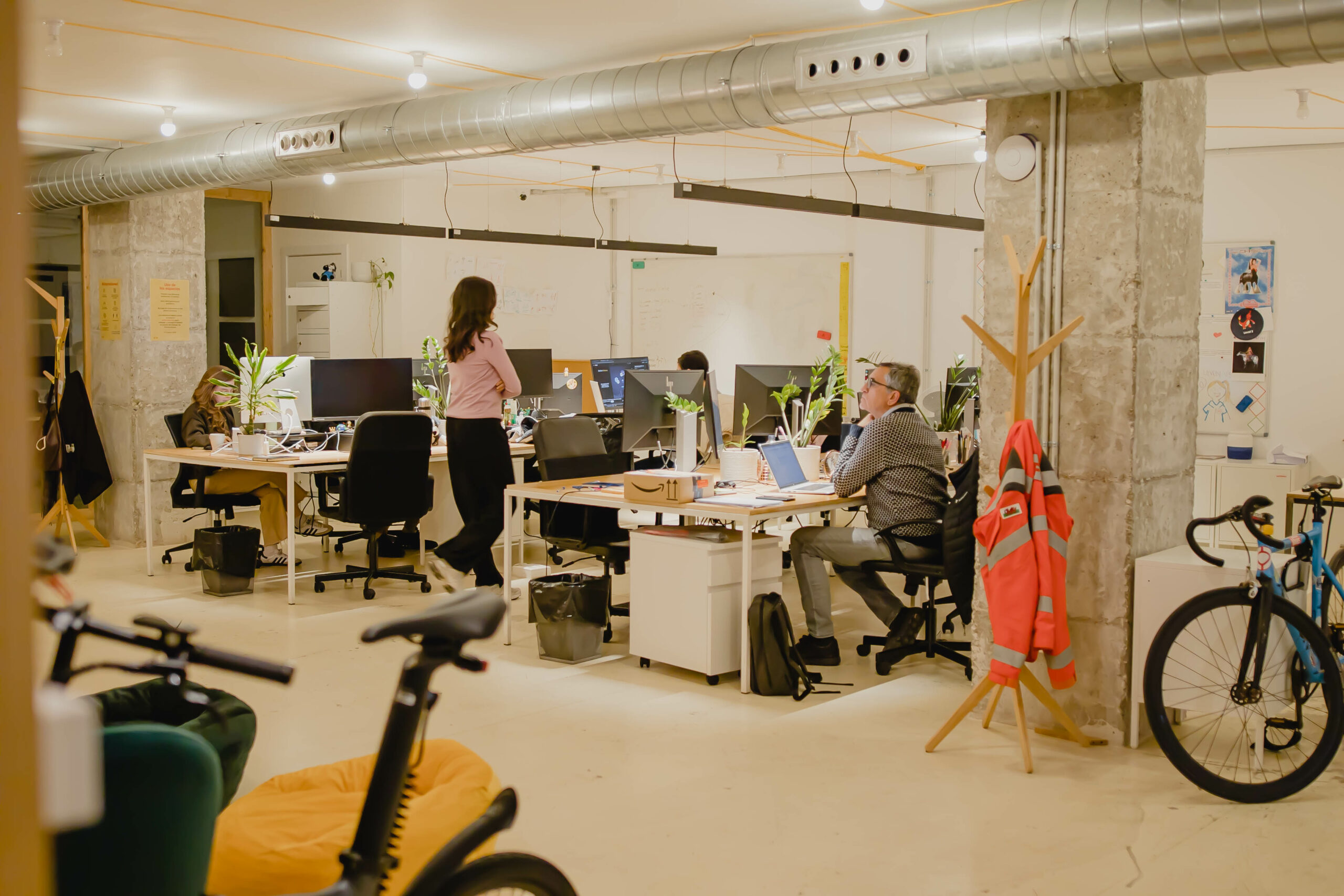
Work has never been more flexible — or more fragmented. While remote work and digital tools have unlocked freedom and autonomy, they have also reduced everyday interaction and weakened collaboration. This shift explains why collaborative working spaces have become essential: they respond to a growing demand for connection, creativity, and meaningful professional relationships.
More than physical offices, these spaces create a shared environment where work feels intentional and human again. This is the core philosophy behind MOB (Makers of Barcelona)—a collaborative working space designed not just for working, but for belonging.
Designed for interaction, not isolation
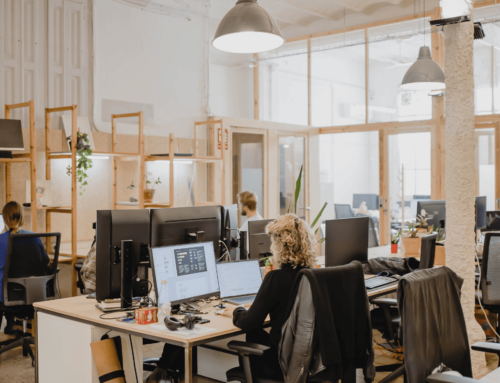
Unlike traditional offices defined by rigid hierarchies and fixed routines, collaborative working spaces are designed around movement, exchange, and adaptability. They bring together entrepreneurs, freelancers, startups, and small teams who benefit from proximity, openness, and shared energy.
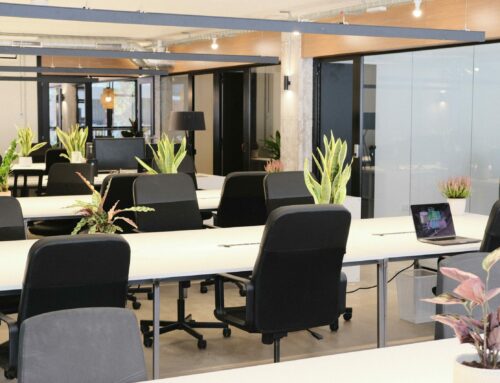
Carefully designed layouts combine areas for focused work with shared spaces that invite conversation and idea exchange. Collaboration happens naturally — through presence, not programming — allowing professionals to shift easily between concentration and connection.
Where ideas gain momentum
Innovation thrives in environments where perspectives intersect. In collaborative working spaces, informal conversations and diverse backgrounds often lead to sharper thinking and faster problem-solving, as studies show.
Working alongside people from different industries encourages experimentation and challenges established ways of working. For entrepreneurs and independent professionals, this daily exposure can spark new approaches, partnerships, and opportunities that rarely emerge in isolation.
At MoB Barcelona, this exchange is part of the everyday experience, not an occasional event.
Productivity built around people
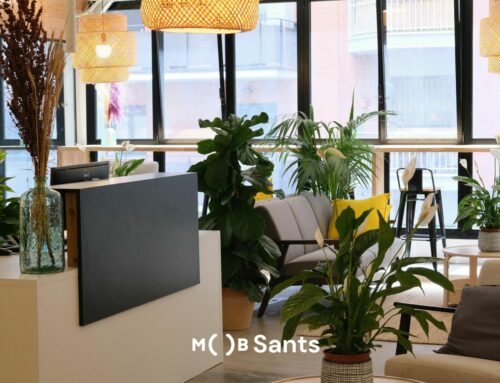
Rather than prioritising output alone, collaborative working spaces recognise that performance is closely linked to well-being. Spaces filled with natural light, comfortable interiors, and welcoming shared areas create an atmosphere where focus and motivation come more naturally.
This approach supports healthier work habits, reduces stress, and makes long working days more sustainable — without compromising ambition or results. At MoB, workspaces are designed to feel dynamic and personal, never corporate or impersonal.
Flexibility with continuity
One of the strongest advantages of collaborative working spaces is their ability to offer flexibility without sacrificing stability. Members can choose how they work, adjust their setup as projects evolve, and still remain part of a consistent professional community.
Events, talks, and informal gatherings extend collaboration beyond daily tasks, helping relationships develop over time. For many professionals, this continuity is what turns a workspace into a place they return to — not just for work, but for growth.
A shared future of work
As professional life continues to evolve, it’s clear that efficiency alone is no longer enough. People are seeking environments that support progress, creativity, and human connection.
Collaborative working spaces reflect this shift. They don’t redefine work through trends or tools, but through experience — reminding us that work works better when it’s shared.