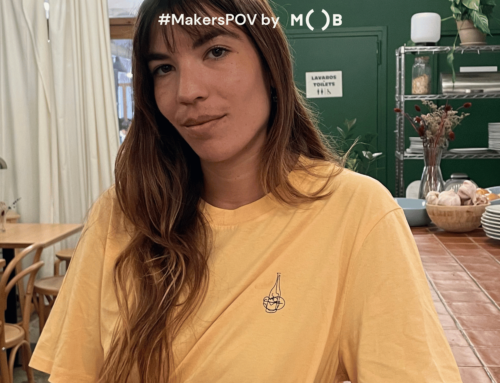


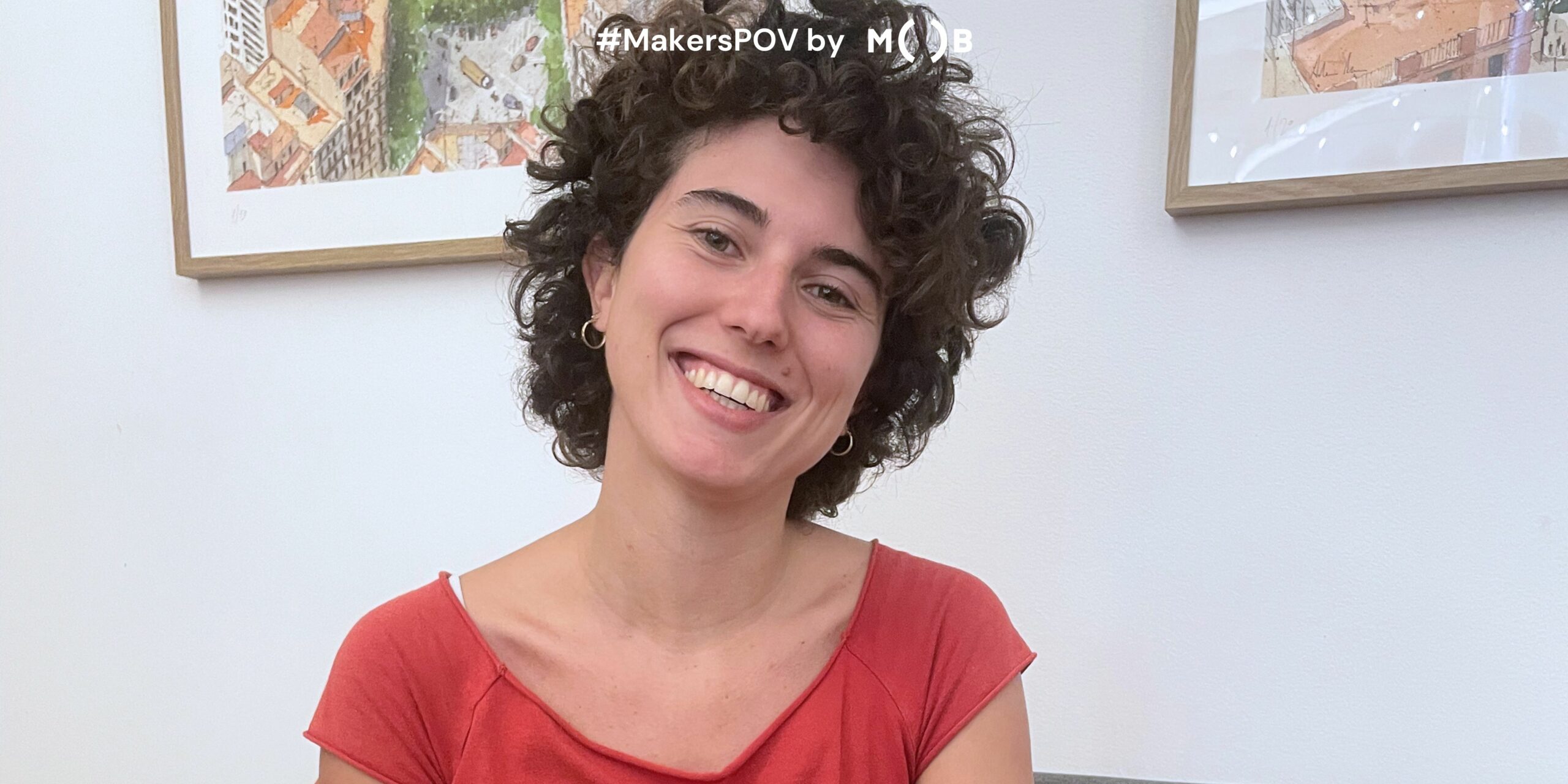
“The best part of my job is seeing meaningful connections happen. Whether it’s a friendship, a professional collaboration, or someone simply feeling more at home in a new city”
Behind every event, introduction, and collaboration at MOB, there is someone helping create the conditions for people to connect.
This month, we sat down with Camilla, Event Manager and Community Builder at MOB. Originally trained as a Landscape Architect, her path has taken her from environmental and community projects in Rotterdam to creating spaces where freelancers, entrepreneurs, and creatives can meet, collaborate, and feel at home in Barcelona.
What do you do? What’s the best and most challenging part of your job?
I have a background in Landscape Architecture, but today I work in event management and community building at MOB. My role is about creating spaces and opportunities for people to connect, collaborate, and feel part of a community.
I organize events, support members, build relationships, and help create an environment where people can share ideas, meet new people, and feel connected.
The best part of my job is seeing meaningful connections happen. Whether it’s a friendship, a professional collaboration, or someone simply feeling more at home in a new city, it’s rewarding to know that I helped create the conditions for that connection.
The most challenging part is understanding what people truly want and finding ways to bring together individuals from very different backgrounds, cultures, and professions. Creating an environment where everyone feels welcome and can find value is both the biggest challenge and one of the most important parts of the job.
What misconception about community management would you like people to understand?
Many people think community management is simply about organizing events or being social. While those are certainly parts of the job, there is a significant amount of planning, coordination, communication, and strategy involved behind the scenes.
Building a strong community takes time, consistency, and a deep understanding of people’s needs.
What does a typical day look like for you?
My routine changes depending on the projects I am working on. A typical day can include organizing schedules, coordinating with colleagues and partners, preparing materials, researching ideas, and managing different tasks at the same time.
I also spend time connecting with people informally, as some of the best ideas and relationships often start with a simple chat. I like that my days are not repetitive and that I can combine creative thinking with practical organization.
Why Barcelona?
After living in so many different countries worldwide, I wanted to experience a place whose energy matched mine: a city that is open-minded, creative, international, and has a strong sense of community.
Barcelona gives me all of that. It is the first city I have lived in where, from the very beginning, I had the feeling of being at home. I love the mix of cultures, the creativity that you can feel everywhere, and the way people connect and enjoy life.
And, of course, the beach, the sun and a cup of vermouth. What more could I ask for?
What advice would you give yourself 10 years ago?
Trust the process and be gentle with yourself. You will figure it out.
Sometimes we feel pressure to follow one clear path, especially when it comes to our professional life, but our experiences, skills, and passions can lead us to unexpected opportunities.
Ten years ago I was studying Landscape Architecture, and today I work as an event manager and community builder, a role that is much more connected to my personality, my strengths, and the things I enjoy doing.
You are always allowed to change direction and discover something new. Life is full of surprises, and your path does not have to be a straight line.
Tell us about a project you’re especially proud of.
One project I am particularly proud of is my work in community and environmental initiatives in Rotterdam, where I helped organize activities that connected people with nature, sustainability, and food production.
Seeing people from different backgrounds collaborate and learn from each other showed me the power of creating spaces and experiences that have a positive social impact.
What would you say to someone thinking about becoming a freelancer and joining MOB?
Freelancing requires independence, curiosity, and the willingness to keep learning. It gives you the opportunity to work on different projects, meet inspiring people, and shape your own professional path.
A community like MOB is especially valuable because freelancing can sometimes feel very individual and isolating. Being surrounded by other professionals creates space for collaboration, support, and new ideas.
I personally know how hard it can be to make friends and feel at home when you are an expat. Joining a community like this can help not only with professional collaborations, but also with building real connections, having a place to go every day, and establishing a routine.
That sense of belonging is often what transforms a city into a home.